
SAHM Interview - Thorrun Govid
South Asian Heritage Month Interview- Thorrun Govind
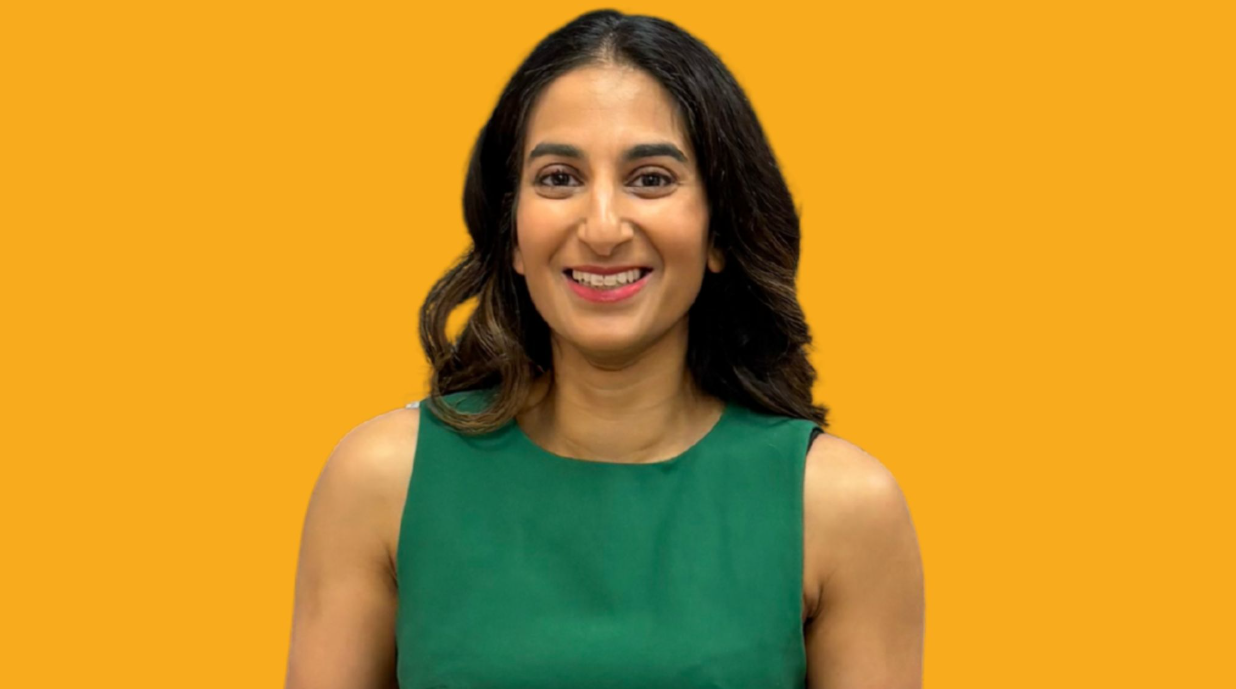
To celebrate South Asian Heritage Month, we wanted to highlight the outstanding work and achievements from professionals with this heritage. Join us in honoring Thorrun Govind, who has been widely recognised for her national and international advocacy, as well as her contributions to both her professions.
By background, she is a pharmacist who is dual trained in law, a healthcare consultant, keynote speaker, media commentator appearing on the BBC, Sky News, ITV, etc., former Chair of the English Pharmacy Board and a fellow of the Royal College of Pharmacy.
Read further below about what Thorrun had to say about her heritage and how it has influenced her professional path, as she shares her advice to students, trainees and future healthcare professionals.
1. To start us off, could you tell us a little about yourself and your career journey?
I am a pharmacist by background, but my career has taken a few unexpected turns. Alongside practising as a pharmacist, I retrained as a healthcare lawyer, and over the last few years I have also become a regular health commentator on television and radio. I am also the former Chair of the Royal College of Pharmacy in England.
People often ask how those roles fit together, but for me they all have the same purpose. Whether I am speaking to a patient, advising on a legal issue or explaining a health story on television, it is about helping people understand healthcare and make informed decisions.
2. What does South Asian Heritage Month mean to you personally?
For me, it is an opportunity to reflect on where we have come from and to celebrate the contribution that South Asian communities continue to make across so many professions.
It is also a chance to recognise the generations before us. Many of us are where we are today because of the sacrifices our parents and grandparents made, and I think it is important to acknowledge that.
3. How has your South Asian heritage shaped who you are - both personally and professionally?
It has probably shaped me in ways I do not always recognise. Education was always valued growing up, and there was an expectation that if opportunities came along, you worked hard and made the most of them.
Professionally, it has also reminded me that healthcare is personal. People come with different experiences, beliefs and family dynamics, and understanding that can make you a better healthcare professional.
4. You have built a career across pharmacy, law, science, communication and television. Was that always your plan, or did those opportunities develop naturally over time?
There was never a grand plan. One opportunity led to another because I stayed curious and was willing to say yes. Looking back, each role has complemented the next, even if it did not feel that way at the time.
5. Have there been any moments in your career where your heritage has felt like a strength or potentially created unique challenges?
I think there have been examples of both.
There have been moments where patients have said they felt understood because I appreciated aspects of their culture or family life. Equally, like many people from minority backgrounds, there have been times when I have felt I needed to prove myself.
Overall, though, I see my heritage as a strength. It has shaped my perspective and helped me connect with people from many different backgrounds.
6. Representation is something many people talk about today. How important is it to you to see more South Asians in visible leadership and media roles?
I think it is incredibly important.
Representation is not just about visibility. It is about showing young people that there is no career that is out of reach. If someone sees a pharmacist, lawyer or television commentator who looks like them, it can make those ambitions feel much more achievable.
7. Looking back, what has been the biggest lesson you have learned throughout your career?
Probably not to put yourself in a box.
For a while I thought I needed to choose one career. Over time I realised that the most interesting opportunities came because I combined different skills rather than limiting myself to one profession.
8. Many young people feel pressure to follow a certain career path because of family or cultural expectations. What advice would you give someone trying to balance those expectations with their own ambitions?
I think it is important to remember that advice from family usually comes from a place of wanting the best for you.
At the same time, it is your career and your life. Do not be afraid to take opportunities that genuinely interest you. Careers are rarely linear now, and there is nothing wrong with changing direction if it feels right.
9. If you could change one misconception people have about pharmacists or the pharmacy profession, what would it be?
I would love people to understand just how much pharmacists do beyond dispensing medicines.
Pharmacists are highly trained clinicians. We help diagnose and treat common conditions, optimise medicines, prevent hospital admissions and are often the most accessible healthcare professionals in the NHS.
10. Finally, if a young South Asian student is watching this interview and wondering whether they belong in the career they are dreaming of, what would you want them to hear?
I would want them to know that they absolutely belong.
Do not feel that you have to fit into someone else's idea of what success looks like. Some of the most rewarding opportunities in my career have come from following my interests rather than following a conventional path.
Work hard, stay curious and be open to opportunities. Your background is something to be proud of, and it can become one of your greatest strengths.